




2025
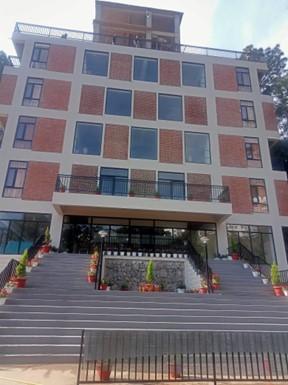
Shoolini University demonstrated its strong institutional commitment to energy efficiency, sustainable infrastructure and environmental responsibility during 2025 through the implementation of its Energy Policy and a range of innovative building and renovation initiatives. The University's Energy Policy, originally established in 2019 and reviewed in 2024, provides a strategic framework for integrating energy-efficient technologies, renewable energy systems and sustainable architectural practices across campus infrastructure. Emphasising environmentally responsible construction, the University has developed sustainable buildings using low-impact materials, passive solar architecture, natural daylighting and energy-efficient design features. A significant initiative includes the installation of a 400 kWp rooftop solar photovoltaic (PV) power plant, complemented by a 2.5 kW wind–solar hybrid system, supporting renewable electricity generation and reducing dependence on conventional energy sources. The University has further adopted innovative renewable-energy solutions, including a 1.5 m³ biogas plant utilising dairy waste and a concentrated solar thermal steam cooking system to promote clean energy in campus operations. Passive solar Trombe walls, energy-efficient PTC air heaters and solar water-heating systems across hostels further enhance thermal efficiency and reduce conventional energy requirements. Additionally, campus-wide LED lighting installations and an automatic weather station strengthen energy conservation, operational efficiency and renewable-energy research. These infrastructure initiatives are complemented by a strong institutional commitment to internationally recognised management standards, demonstrated through ISO 50001:2018 Energy Management System and ISO 14001:2015 Environmental Management System certifications, both valid until November 2028. By integrating sustainable construction, renewable energy adoption, energy-efficient technologies and systematic environmental management, Shoolini University continues to establish a forward-looking model of sustainable infrastructure in higher education. Collectively, these initiatives contribute significantly to United Nations Sustainable Development Goal 7 (Affordable and Clean Energy) and SDG 13 (Climate Action), reinforcing the University's vision of developing an energy-efficient, low-carbon and environmentally sustainable campus.
|
Energy-efficient renovation and building |
View |
2023
Shoolini University has made significant strides in energy and environmental policy, driven by its Centre of Excellence in Energy Science & Technology (CEEST) established in 2019. The university's Energy and Environment Policy, reviewed in 2022, aligns with United Nations Sustainable Development Goals (SDGs), particularly SDG 7 (Affordable and Clean Energy) and SDG 13 (Climate Action). Key initiatives include replacing outdated equipment with energy-efficient models, focusing on renewable energy research, and constructing sustainable buildings like the newly built School of Design and Animal House, which features a Trombe wall for energy-saving heating. The university's 400 kWp photovoltaic power plant supports its electricity needs, and innovative measures such as biogas for cooking, a concentrated solar thermal power system for community steam cooking, and modern air heaters and heat pumps in hostel rooms further demonstrate Shoolini’s commitment to reducing energy consumption. Additionally, an automatic weather station aids in research and data collection to develop more sustainable energy solutions, solidifying Shoolini’s leadership in energy and environmental sustainability.
| Implementation of Energy Efficiency Standards | View |
2022
The Energy Policy of the university mandates all new buildings as well as old buildings be built with sustainable materials, energy-efficient features utilizing renewable energy sources, and passive solar building technology features. Shoolini University uses the National Building Code NBC 2016 & and the Energy Conservation Building Code (ECBC) 2017 of the Bureau of Energy Efficiency (BEE), govt of India for broad guidelines for the same. https://beeindia.gov.in/en/energy-conservation-building-code-ecbc
| ISO Certification by Quality Austria on Energy and Environment | View |
| Energy Policy | View |
| National Collaborations (MoU) signed with Cambridge Energy Resources Pvt. Ltd., Microtek, India, Ozone Ltd. and Synoleum Renewables Pvt. Ltd. | View |
2021
| Energy Policy | View |
| Sustainable Procurement Policy | View |
| Environment Policy Shoolini University | View |
| SDG 7 Affordable & Clean Energy Annual Status Report 2021 | View |
2020
| Report on Energy Efficiency | View |
| Energy-Policy | View |
| Environment Policy | View |