




MSc Microbiology (1 Year)
Eligibility: A 4-year Bachelor’s Degree (Honours/Honours with Research) in related disciplines from any recognised University, with a minimum 50 % marks or equivalent grade in aggregate.
- Duration: 1 Year
- Admission Process: Shoolini University's multiple choice entrance test, and faculty interaction

MSc Microbiology (1 Year)
Eligibility : A 4-year Bachelor’s Degree (Honours/Honours with Research) in related disciplines from any recognised University, with a minimum 50 % marks or equivalent grade in aggregate.
- Duration : 1 Year
- Admission Criteria : Shoolini University's multiple choice entrance test, and faculty interaction
MSc Microbiology (1 Year) at Shoolini University covers the study of microorganisms — their shape, structure, genetic makeup, and metabolic processes — and their effects across medicine, agriculture, nutrition, and biotechnology.
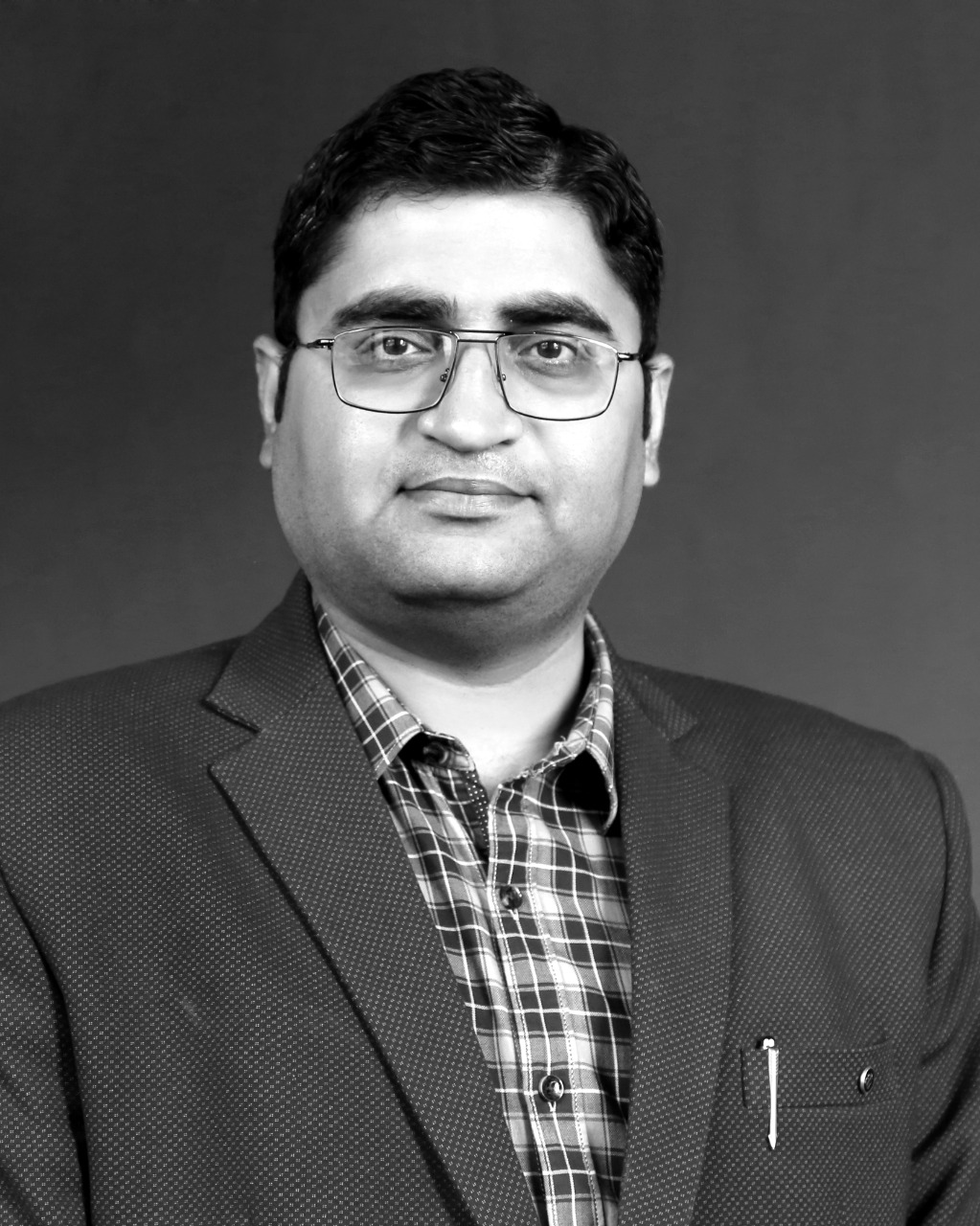
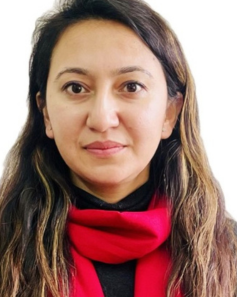
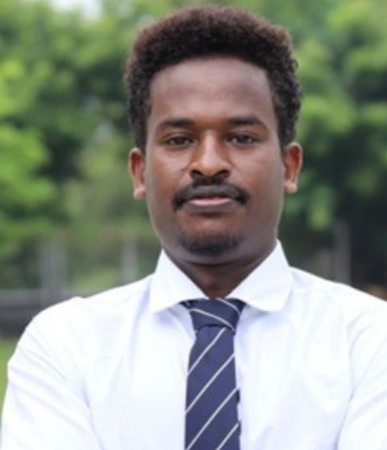
Students learn from faculty trained at institutions including the National Cancer Institute USA, NIH, IISc, and Oxford. The program combines strong theoretical grounding with practical applications in microbial research, bioanalytical testing, molecular biology, and AI-driven biological data analysis.
Graduates move into pharmaceutical, food, healthcare, and biotech industries in roles spanning microbial research, quality control, industrial microbiology, and product development. The degree also prepares students for PhD programs, research fellowships, academic careers, and entrepreneurship.
International collaborations with Lanzhou University, Gachon University, University of Naples, University of Arkansas, and University of Maryland give students access to global research networks and exchange opportunities.
Shoolini University is UGC Approved and NAAC A+ Accredited.
Highlights
- The One-Year MSc Microbiology program is designed as per the National Education Policy (NEP) 2020 guidelines and integrates core microbiology with modern advancements in molecular biology, microbial physiology, industrial microbiology, and applied biotechnology.
- It provides interdisciplinary exposure to bioinformatics, artificial intelligence, bioanalytical techniques, and microbial applications in industry and healthcare.
- Students gain practical exposure through laboratory training, industrial visits,internships, seminars, and a research-based dissertation to build professional competence and research aptitude.
Key areas of research
Animal Biotechnology | Clinical Biochemistry | Immunology | Parasitology | Cancer Biology | Epidemology
VISION
To foster an environment of scientific inquiry, creativity, and critical thinking by getting students involved in taming microbes, designing projects, and making contributions to the field of microbiological sciences.
MISSION
MISSION-1:To promote a comprehensive knowledge of the ways in which microbiology affects a range of disciplines, including environmental science, agriculture, and medicine.
MISSION-2: To ensure that students are proficient in the application of cutting-edge laboratory techniques, tools, and methodologies pertinent to microbiological research by providing them with practical skills and technological competence.
MISSION-3:To equip graduates with skills that are immediately applicable to problems in the real world, so preparing them for professions in a variety of industries, including healthcare, pharmaceuticals, biotechnology, and environmental management.
MISSION-4:To develop critical thinking, effective communication, and decision-making abilities in order to equip graduates for leadership positions in microbiology research, industry, and academia.
PROGRAM EDUCATIONAL OBJECTIVE
- PEO-1:Graduates will be skilled in using cutting-edge laboratory procedures, designing and conducting experiments, and showcasing their knowledge of microbiological research methodology.
- PEO-2:Graduates will be able to exhibit honesty, responsibility, and adherence to ethical rules in microbiological applications, upholding high ethical standards in their research and professional operations.
- PEO-3: Graduates will be able to use their understanding of microbiology and practical application to tackle issues in the fields of biotechnology, public health, industry, and environmental science.
PROGRAM OUTCOME OR PROGRAM SPECIFIC OUTCOME
- PO-1:Disciplinary knowledge This comprehensive course in microbial science for the 21st century emphasizes molecular biology, microbial culture, and genomic analysis, addressing global challenges in health, biotechnology, and the environment. It covers diverse aspects such as Virology, Bacteriology, Biochemistry, and General Pathology, providing both theoretical understanding and practical skills. Aimed at preparing students for careers across industrial, governmental, and environmental sectors, it offers hands-on experience in laboratory techniques and bioinformatics. Students explore areas like medical, industrial, and environmental microbiology, fostering research opportunities that enhance their knowledge and career prospects in various microbiological fields.
- PO-2:Communication The communication skills and building up confidence in terms of presenting are being developed through organizing various class and university-level presentations, Seminars, and symposiums. In addition to this, the students have an active session and participation in sprint which deals with personality development and upgradation of various skills related to public speaking, writing, and effective interpersonal skills which further enhances their confidence, ability to express themselves, and presentation skills.
- PO-3:Research-related skills the practices and procedures of Microbiology and Virology, together with logical thinking, attention to detail and a questioning mind equip students with skills suitable for a range of careers in human health and disease, environmental studies, and industrial or bio-technical industries. Students develop a scientific temper and a sense of inquiry through various food technology papers. They can ask relevant questions relating to current issues and themes and state hypotheses and rationale for inquiry. Students are capable of using appropriate research methodology for conducting research plans, new technological innovations, and reporting the results of the study undertaken.
- PO-4: Teamwork Students are capable of effectively working in diverse contexts and teams in classrooms laboratories, student societies, industry, and the community. They have basic management skills for independently organizing events, resource mobilization, and leading community-based projects, and initiatives.
- PO-5:Self-directed learning Students are capable of working independently and can apply the concepts of Microbiology in an original; creative manner to solve and manage real-life issues for the customers and industry. Students develop customized products as per the requirements of customers and needs of time.
- PO-6:Multicultural competence Students are confident of working in diverse socio-cultural contexts. They can effectively engage with multicultural groups and teams. They have sensitivities of cross-cultural and ethnic diversity which they can apply to different settings. College through a student and faculty exchange program with a foreign university helps them to acquire multicultural competency. They are competent to seek higher education in foreign universities.
- PO-7:Moral and ethics Student has an awareness of ethical conduct in academic and personal situations. Students are developed for understanding and avoiding unethical behaviour such as misrepresentation, plagiarism environmental misuse, and violence. They are formally taught the ethics of research and human interventions.
- PO-8:Leadership Students have leadership qualities in organizing teams and their mobilization for effective problem-solving in different Microbiology aspects. Students apply creative leadership for the realization of various goals. As a leader, they are trained to have greater customer sensitivity and connection. They can organize food courts and design business plans.
MSc Microbiology (1 Year) Career Opportunities
- Higher Studies
- Clinical Research Manager
- Research Interns
- Scientific Assistant
- Forensic Experts
- QA/QC Jobs
|
|
|
|
Program Details
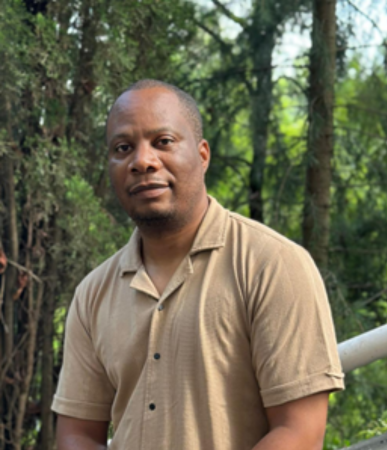
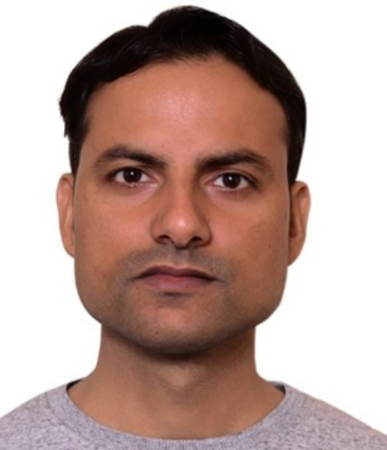
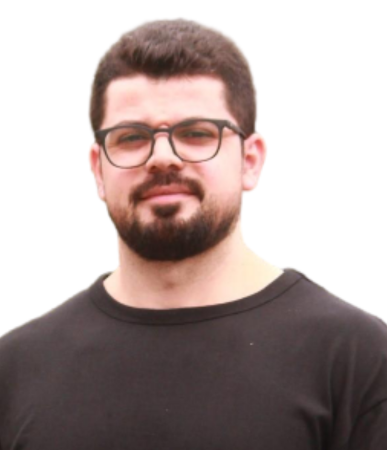
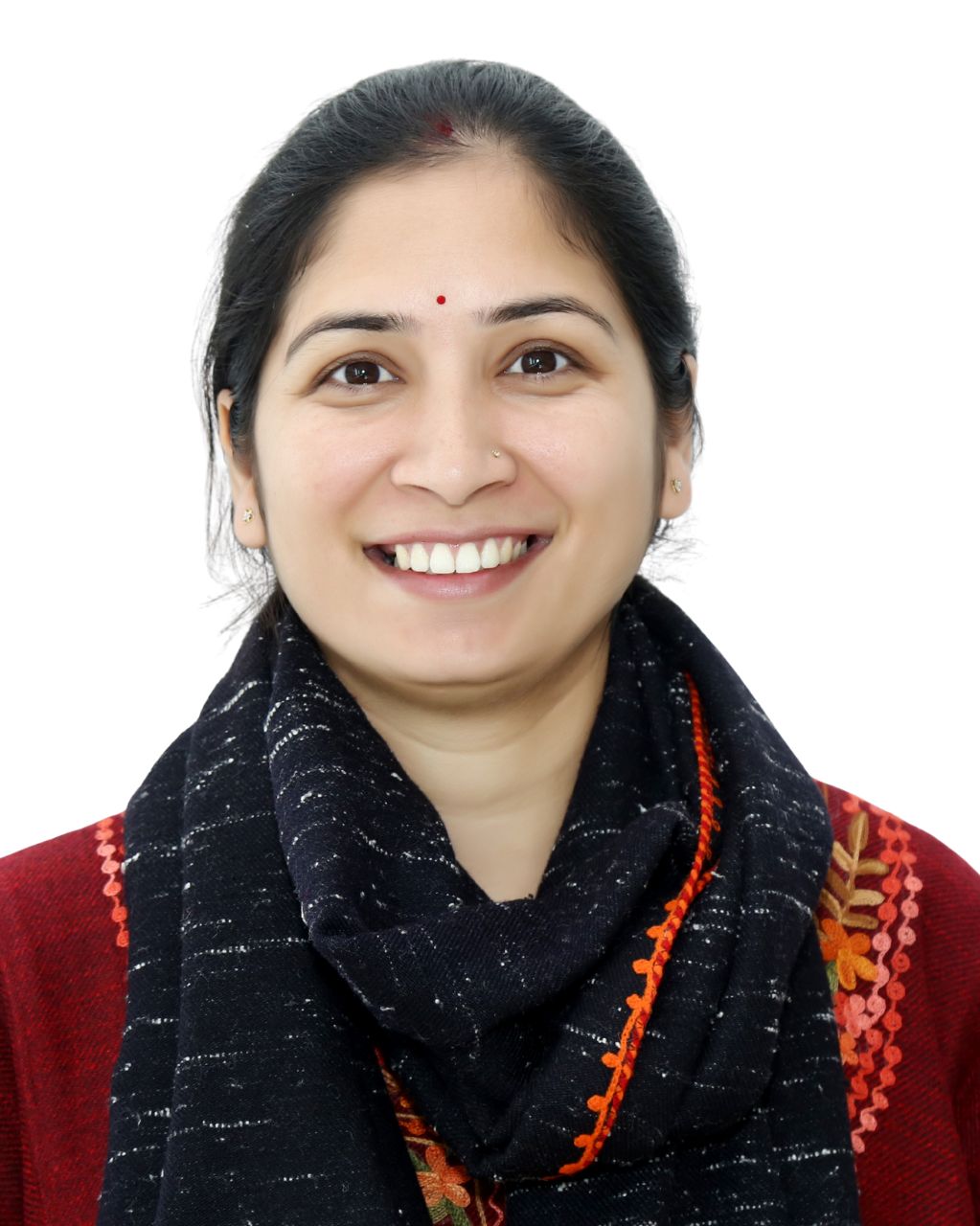
Top Faculty



.JPG)









Top Campus Recruiters
Some of the major companies that visit our campus and hire our graduates are:






















.png)
.png)

.png)





















Frequently Asked Questions
Latest Blogs
Explore the latest insights and updates in our newest Shoolini University blogs!
Still have Queries? Contact Us
Please fill in the form and an expert from the admissions office will call you in the next 4 working hours.