





A therapeutic vinegar made from wild apricots, developed by Prof Somesh Sharma and Priyanka Chauhan, and a water purification technology developed by Associate Professor Lokender Kumar, Damini Thakur, and Sushant Kumar Pal are now in commercialisation discussions with industry partners. The vinegar technology uses a fermentation process that cuts production time while retaining the vinegar's nutritional and therapeutic properties. The water purification technology uses naturally occurring bacteriophages — viruses that target harmful bacteria — to eliminate E. coli contamination without relying on harsh chemicals, with potential applications in households, rural communities, municipal water systems, and disaster-relief operations.
The initiative was led by the Shoolini Intellectual Property Rights Office (SIPRO), the University's office for the protection, management, and commercialisation of intellectual property.
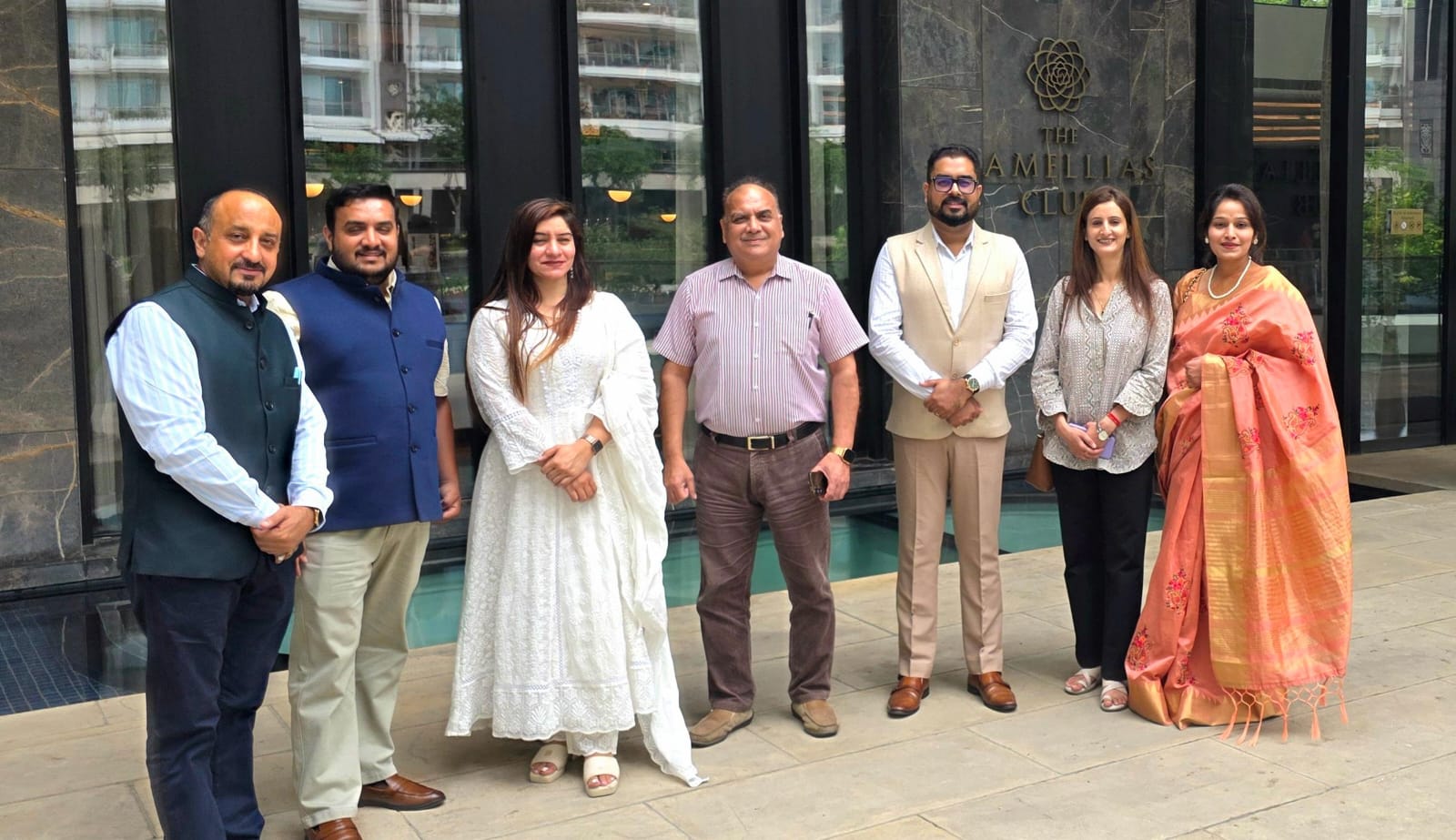
The process began on June 29, when more than 50 patented technologies from institutions across India were presented at the Transfer of Technology (ToT) Conference, organised by PU-TEC in collaboration with Laghu Udyog Bharati. The conference brings together innovators, researchers, startups, IITs, NITs, universities, and industry to showcase commercially promising technologies to potential industry partners. Shoolini presented 20 patented technologies, of which seven were shortlisted for further evaluation. Five went on to industry presentations at three separate engagements: with Laghu Udyog Bharati in Delhi, the Faridabad Industries Association in Faridabad, and the Association of Indian Medical Device Industry (AiMeD) in Gurugram.
SIPRO Senior Manager Himanshu Sharma said, "Over the years, Shoolini University has built a strong culture of innovation, and we are now seeing that effort translate into meaningful commercial opportunities. Our role is to support researchers beyond patent protection by identifying commercially promising technologies and creating opportunities for industry engagement. It is encouraging to see two of our technologies already moving towards commercialisation, and we believe this is just the beginning."
Among the other patents showcased was a broad-spectrum polyherbal neonatal eye-drop, developed by Associate Professor Nitika Thakur with undergraduate students Jyoti Ranaut and Monu Sharma. This targets both bacterial and fungal causes of ophthalmia neonatorum with low irritancy, offering a plant-based alternative to conventional antimicrobial eye drops. Associate Professor Nitika said, "Shoolini University's 'One Student One Patent' model gave my undergraduate students the opportunity to work with me on this research. I am proud that both my students also became co-inventors on this granted patent."
A herbal blood-loss prevention spray, developed by Prof Deepak Kumar, Dr Rajeshawer Kamal Kant Arya, Priyanka Gairola, Dr Dheeraj Bisht, Dr Kapil Khulbe, and Dr Jai Singh, forms a protective layer over wounds to control bleeding and support natural healing, making it suitable for emergency medicine, hospitals, ambulances, defence medical kits, and first-aid use.
The fifth technology, developed by Associate Professor Aditi Sharma, Asst Prof Lalit Sharma, and Prof Rohit Goyal, is a herbal formulation derived from bioactive compounds in Pinus species, offering an approach to managing osteoporosis that reduces dependence on synthetic medicines.
Under Shoolini's intellectual property policy, inventors receive a share of the revenue their commercialised technologies generate. The policy is designed to encourage research that creates both scientific and societal impact.
Vice Chancellor Prof Atul Khosla said, "Our researchers are developing world-class innovations. The next step is to ensure these technologies reach industry, where they can solve problems, create value, and improve lives. That is the direction we must continue to pursue."
Vaishali Thakur