


National Nutrition Week is observed from September 1 to 7 every year. Started by the Food and Nutrition Board in 1982, it encourages people to understand how everyday food choices affect their health.
National Nutrition Week 2026 comes soon after the government shared key findings from the National Family Health Survey-6 (NFHS-6). The findings present a mixed picture. Child nutrition has improved, but overweight and obesity are rising among adults.
Stunting among children under five has fallen from 35.5% to 29.3%. However, the proportion of women aged 15–49 who are overweight or obese has increased from 24% to 30.7%. Among men in the same age group, it has risen from 22.9% to 27.3%.
So, what do these numbers tell us? India is dealing with two very different nutrition challenges at the same time: undernutrition and the health risks linked to excess weight. This blog explains why nutrition awareness matters, how food fits into healthcare and what we can do to eat better. It also covers career options for nutrition professionals and nutrition courses after 12th.
What Is National Nutrition Week 2026 and Why Does It Matter?
National Nutrition Week may sound like it is simply about encouraging people to eat healthy food. Its purpose is much wider. Nutrition affects us at every stage of life, from childhood growth and maternal health to adult well-being and disease prevention.
India’s nutrition challenges also vary widely. Undernutrition, micronutrient deficiencies and anaemia remain serious concerns. At the same time, overweight and obesity are becoming increasingly common.
NFHS-6, conducted during 2023–24 across nearly 6.79 lakh households in 715 districts, shows both sides of the picture. Stunting among children under five declined from 35.5% to 29.3%, while severe wasting fell from 7.7% to 5.2%. Meanwhile, 30.7% of women and 27.3% of men aged 15–49 were reported as overweight or obese.
These problems require very different responses. A child who is not getting enough nutrients has different needs from an adult dealing with obesity or high blood sugar. National Nutrition Week helps us understand these differences and make nutrition part of everyday health conversations.
What Is the Role of Nutrition in Healthcare Today?
Nutrition is often discussed in relation to body weight, but it affects much more. The body needs nutrients for energy, growth, immunity, brain development and normal organ function. Poor nutrition can affect health even when there is no obvious change in weight.
Take micronutrients, for example. The body needs iron, vitamin A, iodine, folate and vitamin B12 only in small quantities, but deficiencies can have serious effects. Low levels of iron, folate or vitamin B12 can contribute to anaemia, while iodine deficiency can affect brain development.
A varied diet and the right nutrition education can help prevent many deficiencies. Food fortification and supplements may also be advised for particular groups or diagnosed deficiencies.
Changing diets and lifestyles have created a different set of health concerns. NFHS-6 found an increase in high or very high blood sugar, or the use of medication to control it. The proportion rose from 13.5% to 17.8% among women and from 15.6% to 20.9% among men.
Nutrition research is also looking at how diet affects the gut microbiome and how the microbiome interacts with the immune system. These studies may improve our understanding of inflammatory and autoimmune conditions. However, this does not mean that a particular diet can cause or cure an autoimmune disease.
The role of nutrition in healthcare now extends across hospitals, clinics, community programmes and research centres. Nutrition professionals may plan therapeutic diets, help prevent deficiencies or support people managing health conditions. They may also work in maternal and child health, public nutrition and research.
What Are Some Practical Healthy Diet Tips?
Eating well does not require an expensive diet plan or unfamiliar foods. It begins with variety, moderation and meals that provide the nutrients your body needs. Your age, health, activity level and food preferences will also shape what works for you.
The World Health Organization recommends eating a variety of minimally processed or unprocessed foods. These can include fruits, vegetables, pulses, whole grains, nuts, seeds and suitable sources of protein.
Here are some healthy diet tips that are easier to follow in daily life:
- Include vegetables, whole grains and a source of protein in regular meals.
- Choose different fruits, vegetables, pulses and grains during the week.
- Eat whole or minimally processed foods more often.
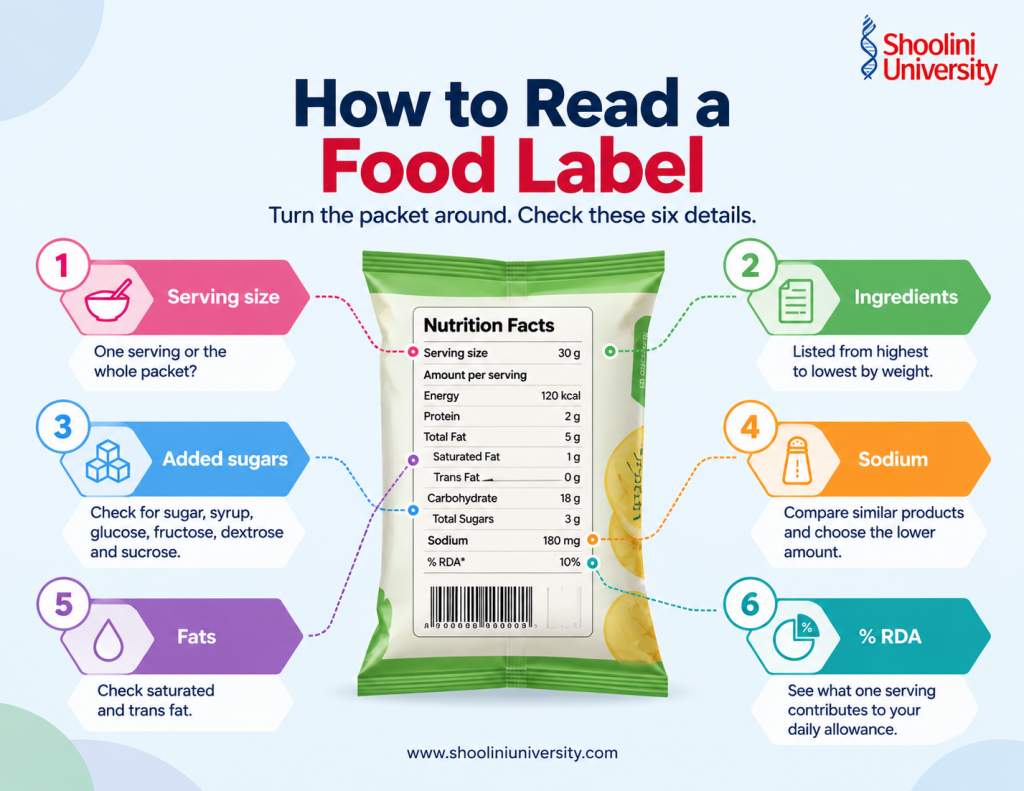
- Limit foods and drinks high in free sugars, unhealthy fats and salt.
- Pay attention to portion sizes as well as the type of food you eat.
- Drink enough water throughout the day.
- Choose eating habits you can maintain instead of following restrictive short-term diets.
People with diabetes, kidney disease, food allergies or other medical conditions may need individual dietary advice. Children, pregnant women, older adults and athletes can also have different nutritional requirements.
Are Nutrition Professionals in Demand in India?
Nutrition professionals now work in hospitals, clinics, wellness centres, sports organisations and public health programmes. The type of work available depends on their qualifications, practical training and area of specialisation.
Clinical dietitians work with patients and healthcare teams in hospitals. Nutrition counsellors can work in clinics and wellness centres, while sports nutritionists work with athletes, teams, gyms and fitness organisations.
Other career options include corporate wellness, community nutrition, maternal and child health, food research, and nutrition education. Some professionals also build independent practices or provide online consultations.
The salary ranges below are broad estimates. Actual salaries vary by qualifications, experience, location, employer, and type of work.
| Career path | Where they work | Indicative annual salary |
| Clinical dietitian | Hospitals and healthcare facilities | ₹4–10 lakh |
| Nutrition counsellor | Clinics and wellness centres | ₹2.5–6 lakh |
| Corporate wellness nutritionist | Companies and wellness programmes | ₹5–12 lakh |
| Sports nutritionist | Sports teams and fitness centres | ₹4–12 lakh |
| Private practitioner | Independent or online practice | Varies |
Requirements can differ across these roles. Students interested in clinical work should check the relevant professional and certification requirements. Nutrition, wellness, food research and public health roles may follow different routes.
For students looking at nutrition courses after 12th, a BSc Nutrition and Dietetics is one possible starting point. The program introduces students to subjects such as food science, human physiology and clinical nutrition, along with practical learning.
Why Study BSc Nutrition and Dietetics at Shoolini University?
A nutrition degree should offer practical experience alongside classroom learning. At Shoolini University, students learn within the School of Bio-Engineering and Food Technology. Its faculty members have experience at institutions including the University of Oxford, the National Cancer Institute and NIH in the United States, IISc, JNU, DU and ZSI.
Students can also use relevant facilities from the University’s network of more than 104 laboratories and 11 Centres of Excellence. These include the Food Quality Control Lab, Biosensor Lab, Bakery and Confectionery Lab, Fruit and Vegetable Technology Lab and Food Processing Lab.
The laboratories introduce students to food quality, safety, processing and product development. This practical exposure helps them understand how concepts taught in class apply to food and nutrition work.
Research is another part of the student experience. Shoolini’s One-Student-One-Patent Policy encourages students to develop original ideas and work towards patent applications.
The University also has a NABL-accredited and APEDA-recognised Commercial Food Testing Laboratory established with support from the Ministry of Food Processing Industries. The laboratory is equipped with systems including UHPLC, ICP-OES and GC-MS/MS for food testing and quality analysis.
Students can also take part in production- and project-based work through the Experiential Learning Program. The on-campus food-processing unit gives them a closer look at how food products are developed and how food enterprises operate.
Shoolini University has more than 250 international collaborations that support academic exchanges and collaborative research. In the QS World University Rankings 2027, it is ranked 452nd globally and 10th in India. It is the only private university in India’s top 10, alongside seven IITs, IISc and Delhi University.
Together, the laboratories, research facilities and practical learning opportunities prepare students for careers in nutrition, food safety, product development and research.
Conclusion
National Nutrition Week reminds us that nutrition is part of everyday healthcare. What we eat can affect growth, immunity, energy levels and the risk or management of several health conditions.
As India’s nutrition needs change, trained professionals will be needed in healthcare, wellness, public health and research. For students interested in food, health and science, Nutrition and Dietetics offers several possible career paths.
Sources:
https://www.pib.gov.in/PressReleasePage.aspx?PRID=2288850®=3&lang=1
https://inhc.co/blog/nutritionist-dietician-salary-india/
FAQs
Q1. What are the benefits of a balanced diet?
A balanced diet gives the body the energy and nutrients it needs for growth, immunity and normal body functions. It can also help reduce the risk of nutrient deficiencies and several diet-related health problems.
Q2. What role does nutrition education play in improving public health?
Nutrition education helps people understand their nutritional needs and make informed food choices. It can support healthier eating habits and help prevent deficiencies across communities.
3. How does nutrition support children’s growth and development?
Good nutrition provides the energy, protein, vitamins and minerals children need for physical growth and brain development. It also supports immunity and overall health.