
Choosing to study for an MBA is a major decision that can change the direction of your life. As we move through 2026, the business world is changing fast. Companies are no longer just looking for ‘managers’; they want experts who understand specific industries. This is why understanding the different MBA specialisations is so important before you enroll. You need to pick a path that matches your personality and the needs of the job market.
In India, the economy is booming in areas like technology, medicine, and finance. This means that MBA programs in India have evolved to offer training that is very practical. Whether you are good with numbers, interested in healthcare, or love talking to people, there is a specific course for you. This guide will break down the five major types of specialisations available today. By choosing the right one, you ensure that your education is a bridge to a long and successful career.
Navigating the Shift: MBA Courses in 2026
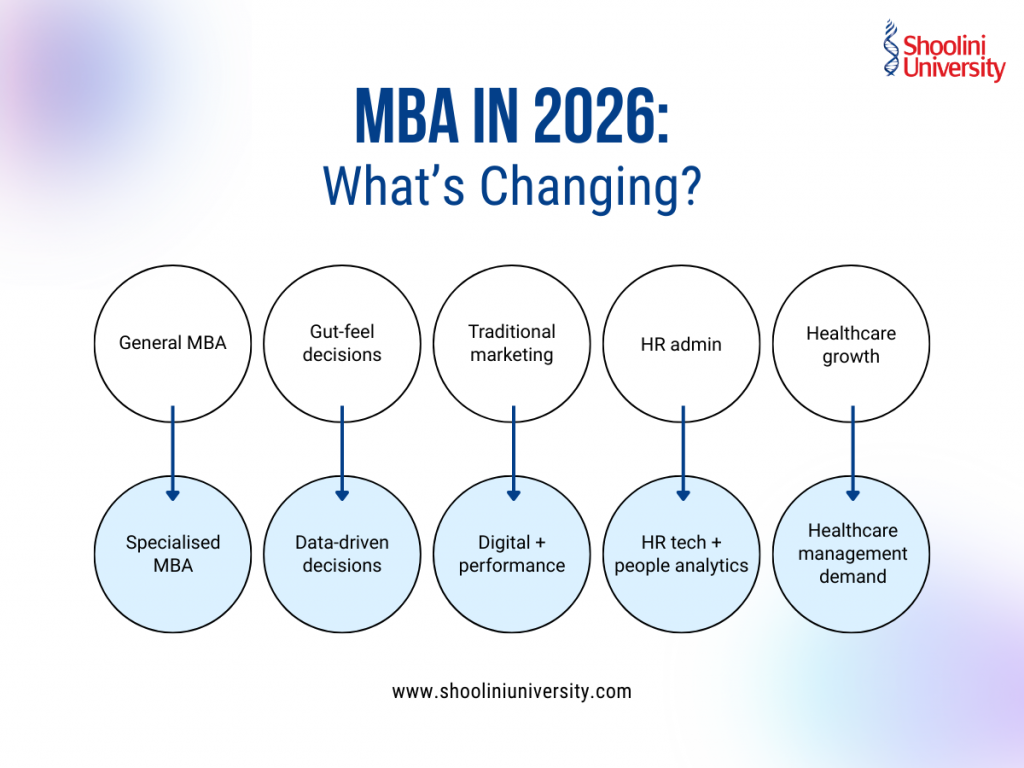
Today, MBA courses in 2026 focus heavily on ‘Real-World Skills.’ The traditional way of just reading textbooks is over. Now, students work on live projects and use software that real companies use. According to reports by the World Economic Forum, the most important skills for the future are analytical thinking and leadership.
When you look for the best MBA course for career growth, you should think about where the world is heading. For example, as more people use apps and websites, ‘Business Analytics’ has become huge. As people care more about health, ‘Pharma and Healthcare’ is growing. Picking a course now is all about what will stay useful for the next 20 years.

A Detailed Look at the 5 Major MBA Specialisations
1. Marketing Management
Marketing is the most popular choice among the types of MBA specialisations. In 2026, marketing is all about the ‘Digital Experience.’ It is best for creative students who like to tell stories and understand why people buy things. You will learn about social media, how to build a brand, and how to sell products online.
- Best for: Creative thinkers and great communicators.
2. Finance
Finance is the backbone of every business. If you love math and logical thinking, this is the path for you. You will learn how companies manage money, how the stock market works, and how to plan budgets. In 2026, this also includes ‘Fintech’, which is the technology used in banking.
- Best for: People who are good with numbers and details.
3. Business Analytics & AI
This is one of the fastest-growing different MBA specialisations. Business Analytics is about using data to make decisions. For example, a retail store might use data to see which items sell best on rainy days. You will learn how to turn messy numbers into a clear plan for a company.
- Best for: Logical thinkers who enjoy using technology and solving puzzles.
4. Pharma and Healthcare Management
India is often called the ‘Pharmacy of the World.’ This specialisation is perfect if you want to work in hospitals, drug companies, or health tech firms. It combines business skills with medical industry knowledge. As the world focuses more on wellness, this has become a very stable career choice.
- Best for: Students who want a meaningful career in the medical or pharmaceutical sector.
5. Human Resource Management (HR)
HR is all about people. Every company needs someone to hire the right staff, train them, and make sure everyone is happy at work. In 2026, HR managers also focus on ‘Remote Work Culture’ and mental health in the office.
- Best for: People with strong ‘people skills’ who enjoy helping others grow.
Which MBA is Best for Students?
Many students ask, ‘which MBA is best for students like me?’ The answer depends on your background. If you enjoy technology, Business Analytics is great. If you have a science background, Pharma and Healthcare is a perfect fit. When you do an MBA specialisation comparison, you will see that each field offers different rewards. Finance might offer high-stakes excitement, while HR offers the chance to build a great community.
Career Options and Growth
There are many MBA career options by specialisation.
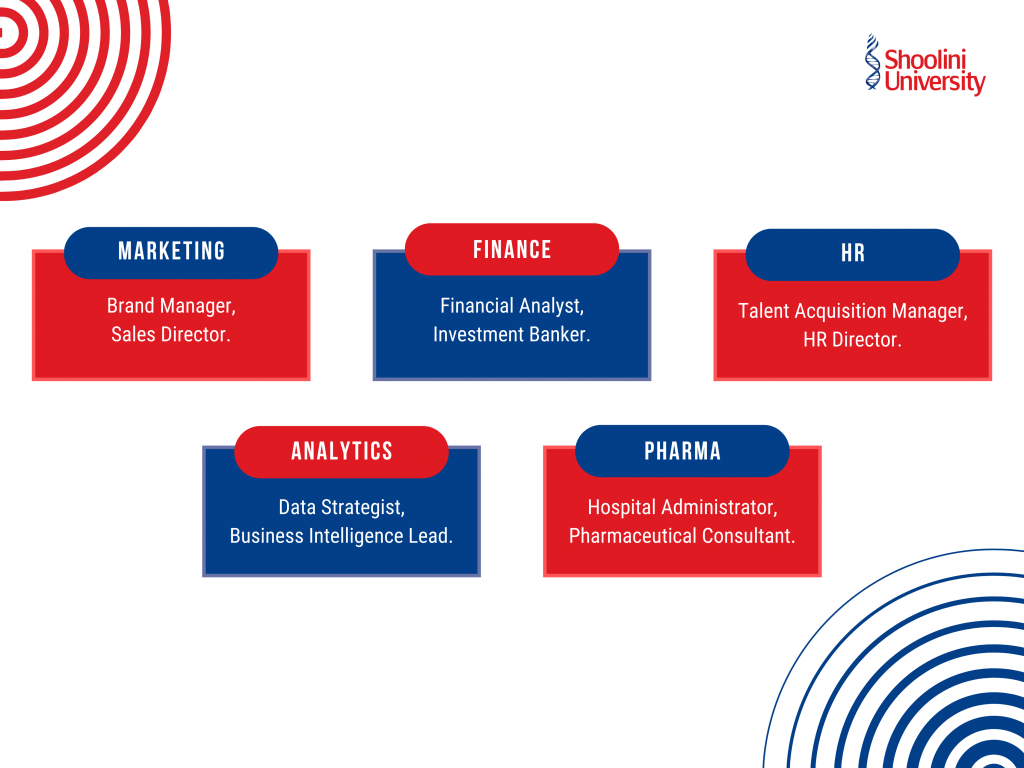
According to Indeed, these roles are essential for any business to survive. This is why picking a specific area is better than just getting a general degree.
Why Shoolini University Is a Strong Choice for MBA Aspirants
When students consider the best university for MBA in India, reputation, industry relevance, faculty quality, and career outcomes are some of the most important factors — and Shoolini University delivers on all of them.
Accreditation & Academic Rigor
Shoolini’s MBA program is NBA accredited, a recognised mark of quality in management education. This accreditation ensures that the curriculum meets high national standards and prepares students for real-world business challenges.
World-Class Faculty
The program is supported by an impressive faculty team that includes professionals and academics from globally recognised organisations and institutions such as McKinsey, ISB, NCI, NIH, Berkeley, UPenn, Columbia University (USA), Stanford, Oxford, IISc, IITs, and IIMs. Their diverse experience means Shoolini students learn not just theory — but insights drawn from global business practice.
Professional Exposure & Internships
Shoolini offers paid internships as part of its MBA journey, giving students a head start in professional settings. These internships allow students to apply classroom learning to actual business problems, making them job-ready from day one.
Placements with Top MNCs
Shoolini MBA graduates have been placed with top multinational companies such as:
- Hindustan Unilever
- Mercer
- ICICI Bank
- Hilti
- L’Oréal
- JCB
- Hewlett & Packard
- Deloitte
- KPMG
This range of recruiters — from FMCG and finance to consulting and tech — reflects the strength and versatility of the MBA program.
Skill Enhancement Programs
To sharpen practical skills, Shoolini offers programs like:
- SPRINT
- ATP (Applied Thinking Program)
- Troops and Mentorship Program
These initiatives are designed to build leadership, problem-solving, industry readiness, and career direction — giving students an edge in today’s competitive landscape.
Global Exposure & Alliances
The university has global alliances for study abroad opportunities in countries like China, Indonesia, Singapore, and Italy. These international partnerships expand students’ worldview, cultural understanding, and global business perspective — an important advantage in an interconnected economy.
Interactive & Practical Learning
Shoolini’s MBA is fully residential, ensuring immersive learning and strong peer collaboration. The pedagogy is interactive and case-based, encouraging students to think like business leaders rather than just learners. Support through eUniv online resources and project-based learning further strengthens hands-on experience.
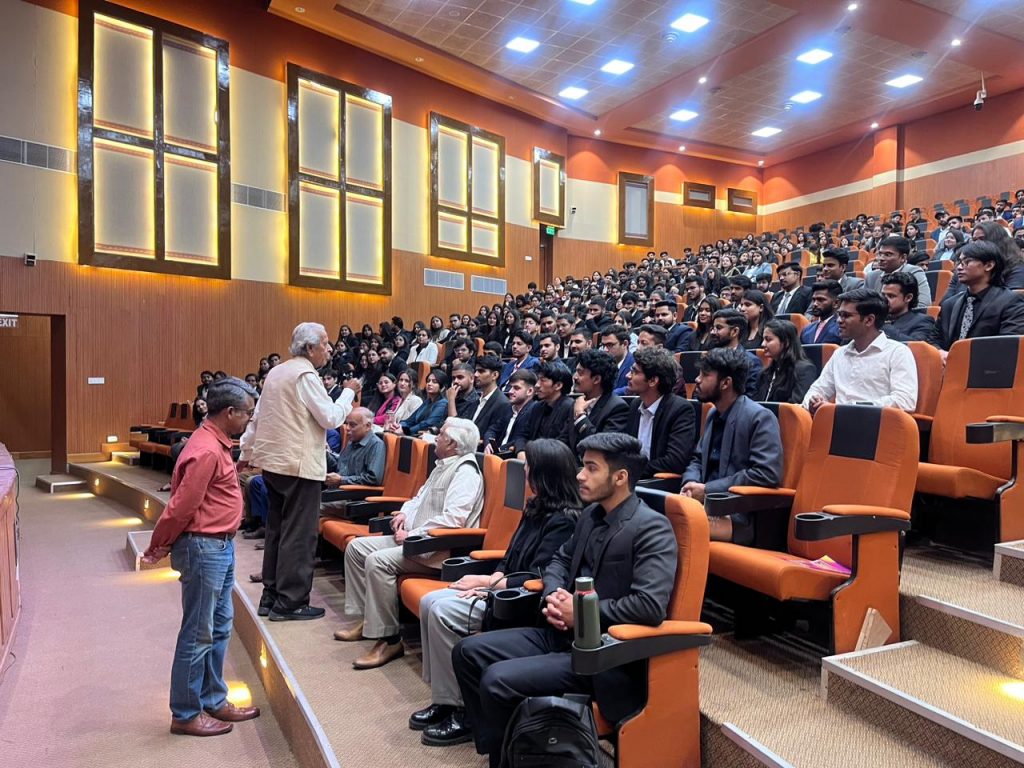
Corporate leaders regularly interact with students through guest lectures, offering real business insights and networking opportunities that go beyond traditional classrooms.
Rankings & Partnerships
Shoolini’s MBA program is recognised among India’s respected business programs:
The university also partners with key organisations like NHRDN, LIBF, and KPMG, further enhancing corporate connections and industry relevance.
Entrepreneurial Support
For students interested in startups and innovation, Shoolini’s Pehal Incubator on campus provides mentorship, resources, and ecosystem support to turn ideas into action.
Conclusion: Choosing the Best University for MBA in India
Finding the best university for MBA in India means looking for a place that offers these five key areas. You want a university that doesn’t just give you a degree but gives you a career. By focusing on different MBA specialisations like Marketing, Finance, or Analytics, you are setting yourself up for a bright future. Take your time to think about what you enjoy doing every day, and that will lead you to the right choice.
FAQs:
Q1. Can students from non-commerce backgrounds pursue any MBA specialisation?
Yes, absolutely. Students from any background such as Arts, Science, Engineering, Media, or Humanities can pursue an MBA specialisation. You don’t need a commerce degree to study marketing, HR, analytics, finance, or healthcare management.
Q2. Which MBA specialisation is best for fresh graduates?
The best MBA specialisation for fresh graduates depends on what they enjoy and what kind of work they see themselves doing in the future. If someone enjoys creativity and communication, marketing can be a good fit. If they are comfortable with numbers and structured thinking, finance works well. Students who like working with people and building teams may prefer HR. Those who enjoy data and technology can choose business analytics, and students interested in life sciences and healthcare systems can consider pharma and healthcare. The right choice is the one that matches your strengths and long-term goals.
Q3. Does Shoolini University offer industry exposure as part of its MBA programs?
Yes, Shoolini University gives strong industry exposure as part of its MBA programs. Students get opportunities through paid internships, project-based learning, and regular interaction with corporate leaders through guest lectures. The university also runs skill enhancement programs like SPRINT, ATP, and mentorship initiatives to help students become more confident and job-ready.
Q4. Is the MBA curriculum at Shoolini University updated for 2026 industry needs?
Yes, the MBA curriculum at Shoolini University is designed to match current and upcoming industry needs. The learning approach is interactive and case-based, so students don’t just learn theory but also understand how business works in real life. The university supports learning through e-learning platforms, practical projects, and focused skill-building programs. Shoolini also follows the LIPIF model, which ensures the MBA is strong in learning, industry exposure, placements, infrastructure, and faculty.
Sources: