





Cardiovascular disease is a major health concern among elderly women, particularly in rural India, where early diagnosis and regular health screening remain limited. Several health reports have highlighted that postmenopausal women are at a higher risk of heart-related diseases, often due to delayed detection and lack of preventive care.
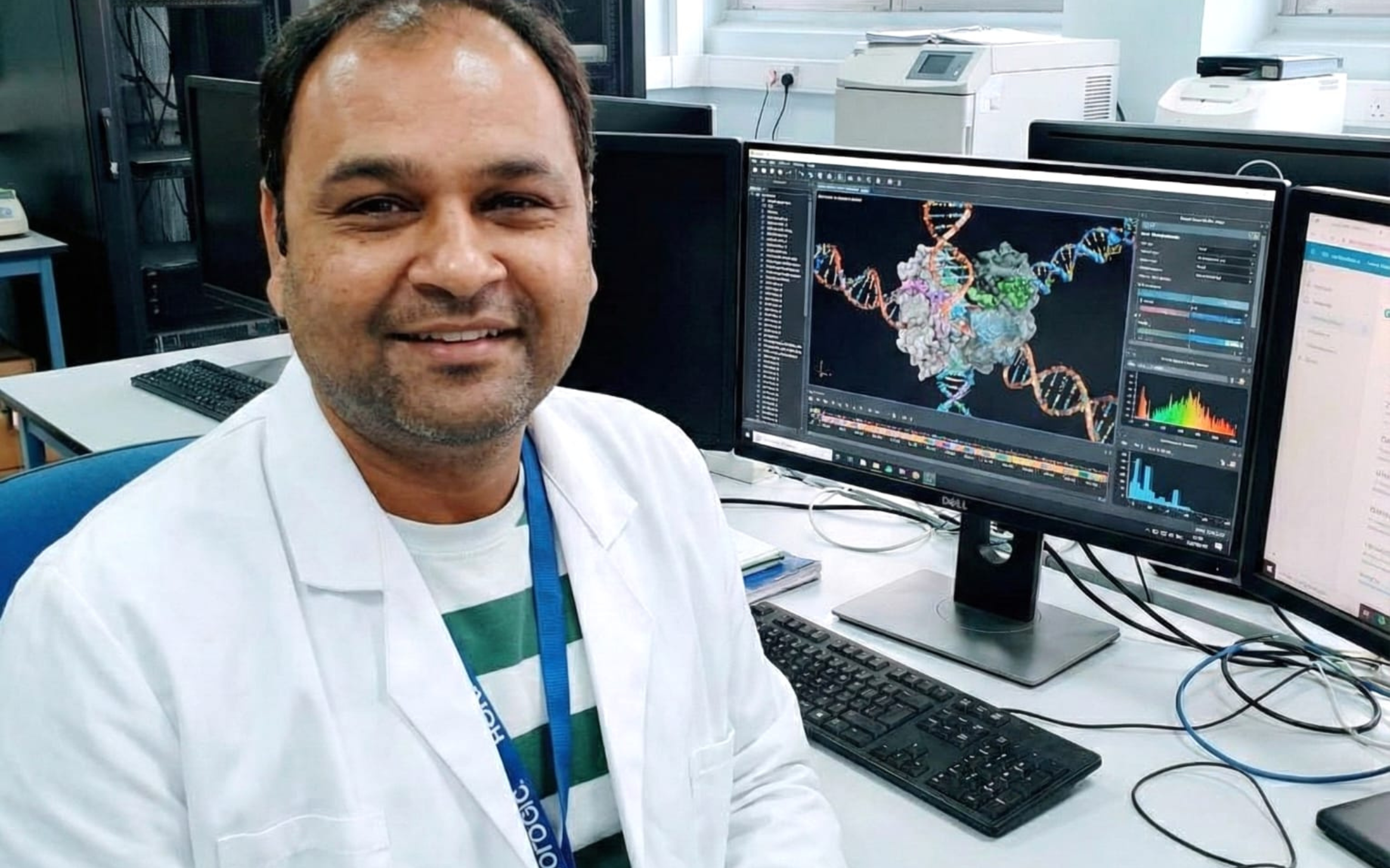
Building on this concern, a research study led by Asst Prof Ravi Kant from the Faculty of Applied Sciences and Biotechnology, Shoolini University, developed an artificial intelligence–based model. It predicts cardiovascular disease risk among elderly rural women in North and Eastern India. The study has been accepted for publication in The Journal of Nutrition, published by the American Society for Nutrition, highlighting its scientific quality and global public health relevance.
The international research team included Dr Jose Molina Mora from the University of Costa Rica, Dr Jyoti Taneja from the University of Delhi, and Dr Joyeta Ghosh from Amity University, Kolkata.
The research was conducted after reviewing existing reports that pointed to a higher risk of cardiovascular disease among older women. Based on these findings, the team conducted a structured survey and collected health-related data to understand the factors contributing to heart disease risk in rural populations.
To analyse the data, the researchers used artificial intelligence and machine learning tools through the WEKA software platform. The AI model helped identify key health indicators associated with cardiovascular disease risk, including waist circumference, blood pressure, and fasting glucose levels.
By focusing on these easily measurable parameters, the study developed a low-cost, scalable prediction model that can be used at the primary healthcare and community levels. The approach reduces dependence on expensive diagnostic tests and supports early identification of high-risk individuals.
The study also highlights the importance of personalised nutrition and early prevention, shifting attention from treatment to timely risk assessment. According to the researchers, the AI model demonstrated strong accuracy and has potential for use in public health screening programs.
Speaking about the study, Assistant Professor Ravi Kant said Shoolini University played an important role in the research. “The interdisciplinary environment, access to computational facilities, and institutional backing at Shoolini University helped us bring together artificial intelligence with nutrition and clinical science. This has allowed the research to move beyond academic work and create impact at the community level,” he said.
Although the research has been accepted for publication, the team plans to pursue patenting the AI-based framework with active support from Shoolini University. The university will facilitate the intellectual property process and help translate the research into a market-ready screening tool, with the long-term aim of enabling early detection and preventive care for older rural women through real-world healthcare deployment.